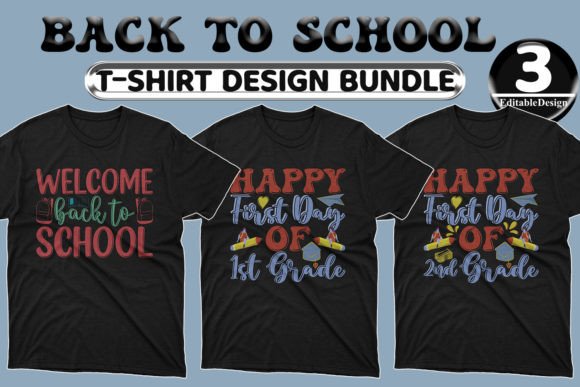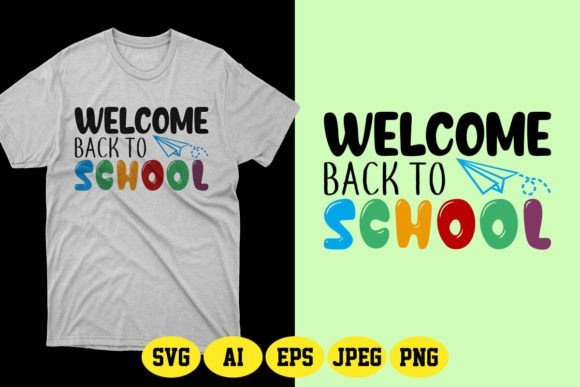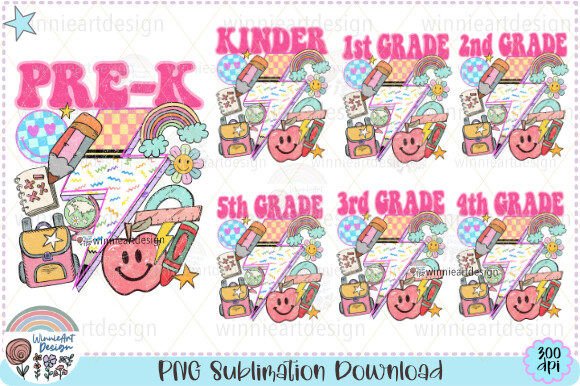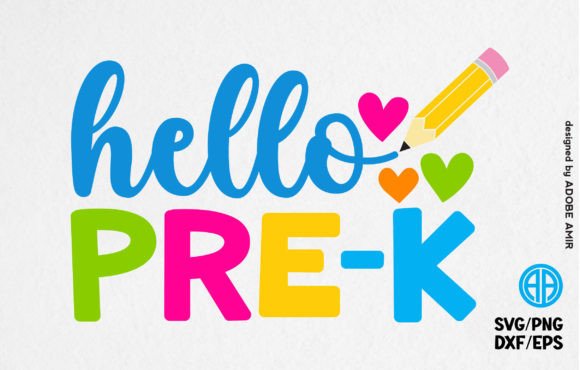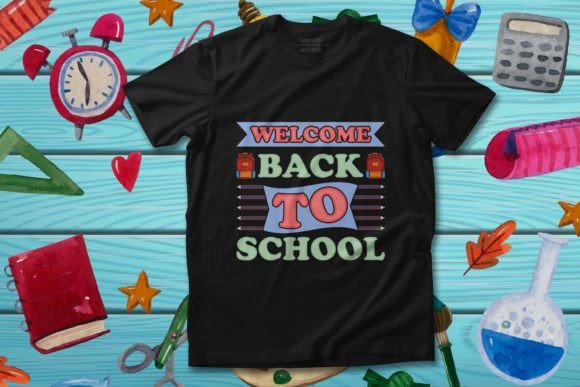
Back to School T-Shirt Design Graphics for Handmade Businesses
As a handmade business designer who’s shipped over 5,000 custom t-shirts, mugs, and printable kits since 2018—and who preps seasonal collections for Etsy, local craft fairs, and wholesale gift shops—I opened Back to School T-Shirt Design with high expectations. And honestly? It delivered—right out of the zip folder.
This isn’t just another clipart-style illustration. From the first glance at the PNG preview, it struck me as cheerful but not cutesy, bold but not overwhelming—think crisp lettering paired with subtle school-themed accents (a tiny apple, open book, or pencil icon, depending on the variant). It leans playful and confident, perfect for kids’ apparel, teacher appreciation bundles, or back-to-school party favors. It doesn’t scream “preschool” or “high school”—it bridges age groups gracefully, which is gold when you’re designing for families, PTA groups, or boutique retailers.
Real Crafting Workflow: How I Tested Back to School T-Shirt Design
I pulled this graphic design asset into three real-world projects in one afternoon: a Cricut project for heat-transfer vinyl shirts, a Silhouette project for sticker sheets bound for planner kits, and a printable design bundle for an Etsy digital shop. Here’s what worked—and where I paused.
First, the SVG file imported cleanly into Cricut Design Space with no stray nodes or overlapping paths. No wrestling with layers—just one cohesive, well-structured cut file. That’s rare. I resized it from 8" wide down to 2.5" for a toddler tee, and the lines stayed sharp. For my Silhouette Cameo 4, I used the DXF version to cut matte vinyl stickers—no jagged edges, no misalignment. The clean vector paths made weeding effortless, especially around small interior details like the stem of the apple icon.
The PNG version? Absolutely print-ready. At 300 dpi with full transparency, it dropped seamlessly onto mockups for mugs, tumblers, and tote bags. I layered it over kraft paper backgrounds for printable gift tags and used the same file in Canva to build Instagram Story templates for my shop’s back-to-school launch. The high-resolution JPG mockup included in the pack saved me hours—I dropped my brand colors into it and had five social-ready visuals before lunch.
Where This Graphic Design Asset Shines
- Seasonal craft bundles: Paired beautifully with editable name labels, checklist printables, and “first day” photo props in my August digital product launch.
- Sublimation design: Printed flawlessly on white polyester tees and ceramic mugs—no pixelation, no color bleed. Confirmed CMYK-safe in Illustrator before sending to my sublimation printer.
- Tote bags & reusable lunch kits: Scaled up to 12" wide without softening. Works equally well centered or wrapped along the bottom hem.
- Handmade packaging: Used the transparent PNG on thank-you cards and branded tissue paper—printed on matte cardstock, it looked premium, not generic.
- Etsy product mockups: Dropped into layered PSD mockups (from Creative Market) in under 90 seconds—customers love seeing realistic previews before buying.
Where to Use Back to School T-Shirt Design With Intention
It’s versatile—but not magic. Here’s where I recommend extra care:
- Small sticker sizes: Below 1.25", fine details like thin stems or tiny dots begin to blur. I simplified those elements manually in Illustrator for my 1" planner sticker sheet.
- Layered vinyl projects: The design includes subtle shadows and gradients in the EPS version—great for print-and-cut, but avoid stacking multiple vinyl colors unless you’ve tested alignment on your machine first.
- Dark garment printing: The default color palette assumes light backgrounds. I inverted contrast and added a white underbase layer in my DTG workflow—always test on black fabric swatches before bulk printing.
- Crowded compositions: Don’t cram it alongside three other graphics on a single shirt front. It’s strong enough to stand alone—or pair cleanly with one minimalist script font phrase like “My First Day.”
Practical Crafter Notes You’ll Actually Use
Before listing anything on Etsy or fulfilling customer orders, here’s my checklist—based on years of returns, reprints, and awkward conversations with buyers:
- Test the SVG design in your cutting software—zoom in to 400% and confirm all strokes are closed and no hidden layers exist.
- Preview the PNG design on both white and dark mockups—transparency looks different depending on underlying texture and lighting.
- Check resolution for sublimation design: Even if labeled “300 dpi,” open in Photoshop and verify actual pixel dimensions match your target product size.
- Pair fonts intentionally: This graphic design asset pairs best with friendly sans serifs (like Quicksand or Nunito) or warm handwritten fonts—not overly decorative scripts that compete for attention.
- Confirm commercial license terms—this is a commercial design, yes, but double-check whether resale of physical items requires attribution or has usage caps. I always save the license PDF in my project folder.
- Resize before exporting—don’t scale up a 3" SVG to 10" in Cricut Design Space; re-export from Illustrator at native size for crisper cuts.
Why This Fits Real Handmade Business Needs
If you’re building a small business branding system—not just making one-off crafts—Back to School T-Shirt Design works as a flexible anchor. I reused the core motif across t-shirt designs, printable wall art for classroom decor, sublimation tumbler wraps for teacher gifts, and even embroidered patches (by converting the SVG to DST via Wilcom software). It’s cohesive without being repetitive.
For Etsy sellers: It’s a fast, licensable upgrade to your seasonal listings—no need to hire a designer for every August refresh. For craft fair vendors: Print it on iron-on transfers ahead of time, then customize each shirt live with names or grades. For printable product creators: Drop it into Canva templates for editable PDFs—students, teachers, and parents all respond to its upbeat, inclusive energy.
This is more than a trendy t-shirt design. It’s a ready-to-deploy graphic design asset built for real workflows—tested on Cricut machines, scaled for sublimation presses, optimized for digital marketplaces, and designed to reflect the care handmade business owners put into every product they ship.