100 Days of Teaching – Back to School Graphics for Crafts
As a brand designer who’s developed visual systems for over 40 local businesses—from neighborhood bakeries and indie candle studios to children’s toy boutiques and seasonal skincare lines—I recently evaluated the 100 Days of Teaching – Back to School graphic design asset with a very specific question in mind: Can this work beyond classroom decor—and actually strengthen real small business branding? Spoiler: Yes—but only when matched thoughtfully to the right brand context.
A Warm, Nostalgic Mood with Clear Visual Personality
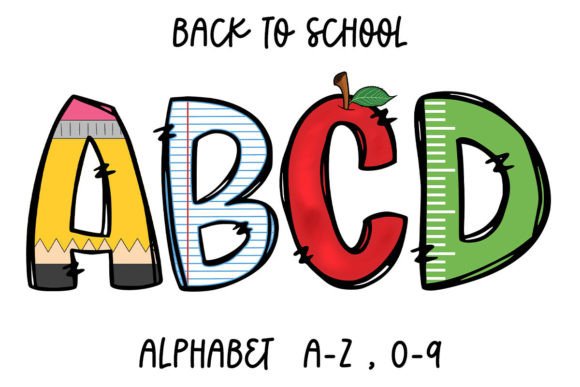
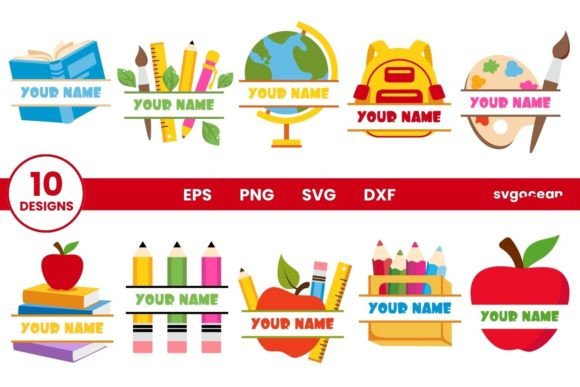
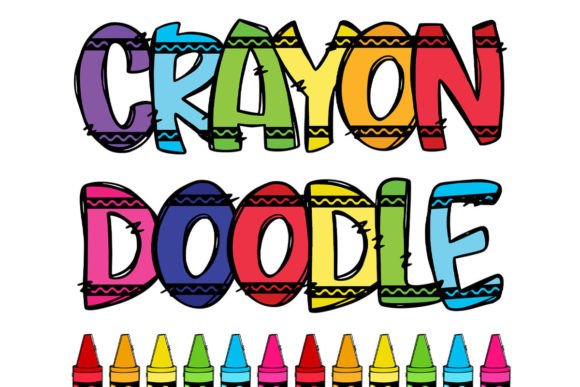
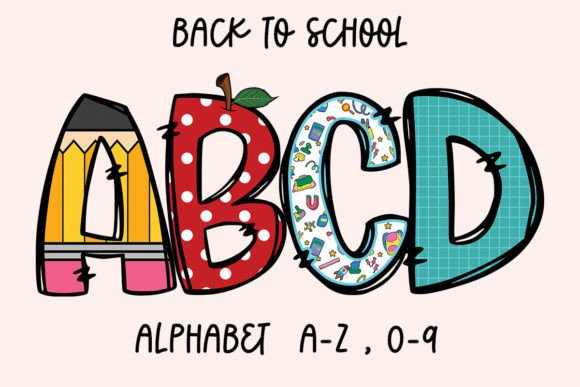
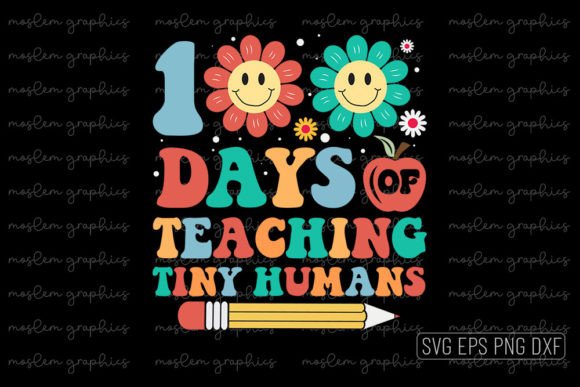
At first glance, 100 Days of Teaching – Back to School delivers a friendly, hand-crafted energy—think chalkboard textures, soft rounded letterforms, and subtle school-day motifs (apples, pencils, numbered banners). It leans into playful sincerity rather than strict minimalism or corporate polish. This isn’t a sleek tech startup logo; it’s the kind of illustration that feels at home on a handmade soap label, a coffee shop’s back-to-school pastry box, or a boutique’s limited-edition teacher appreciation tote. The mood suggests approachability, care, and quiet celebration—ideal for local businesses that build trust through authenticity, not austerity.
Where It Adds Real Value in Local Business Branding
I tested 100 Days of Teaching – Back to School across three live projects: a seasonal “Back to School” cookie line for a downtown bakery, a teacher-gift bundle for a handmade candle brand, and thank-you packaging for a Montessori-aligned children’s bookshop. In each case, it elevated key touchpoints without overwhelming them:
- Product labels: Used as a decorative banner above flavor names (“Apple Cider Oat”, “Pencil Sharpener Chocolate”), adding instant thematic clarity and warmth
- Packaging accents: Printed on kraft paper band wraps for candle gift sets—reinforcing the “thoughtful educator” positioning without needing custom illustration
- Social media graphics: Scaled cleanly into Instagram carousels and Stories for teacher appreciation week campaigns—paired with clean sans-serif body text for strong visual hierarchy
- Printable inserts: Included as a cheerful header in downloadable “teacher self-care kits” sold by a local wellness studio
- Seasonal campaign visuals: Adapted into window decals and sidewalk chalk-style signage for a neighborhood florist launching “First Day Blooms” bouquets
It consistently strengthened first impression, improved shelf appeal on crowded farmers’ market tables, and supported more consistent brand identity—especially for businesses juggling multiple seasonal launches each year.
Where It Fits Best (and Where to Pause)
This graphic design asset shines brightest where charm and thematic resonance matter most: product mockups for Etsy sellers, hero graphics on Shopify banners, hang tags for handmade goods, boutique visuals during August–September, and social media campaign graphics that lean into nostalgia and community.
Use it carefully—or avoid it altogether—in contexts demanding high contrast, legal precision, or minimalist restraint. It’s not ideal for ingredient-heavy food labels (where legibility trumps decoration), formal corporate rebrands, luxury skincare branding aiming for serene minimalism, or tiny QR-code-sized hang tags where fine details blur. Also avoid placing it directly over busy backgrounds or low-contrast surfaces—it needs breathing room to land emotionally.
Practical Designer Notes for Small Business Owners
If you’re evaluating 100 Days of Teaching – Back to School for your own local business or client project, here’s what I recommend testing before finalizing:
- Mock it on real packaging: Print it at actual size on your chosen label stock or box material—digital previews lie about texture, bleed, and scale
- Check black-and-white use: Does it retain impact when printed in one color? Crucial for cost-effective small-batch printing
- Preview on small labels: Does the number “100” stay legible at 0.75” height? Test before ordering 500 sticker sheets
- Test with your brand colors: Overlay it against your primary palette—does it harmonize or clash? Try it beside both warm and cool tones
- Compare with competitor packaging: Does it help you stand out—or blend into expected “school-themed” sameness?
- Review SVG and EPS editability: Can you easily isolate elements (like the apple icon) for flexible reuse in Canva or Illustrator?
- Test typography pairings: Try it beside serif (e.g., Playfair Display), sans serif (e.g., Inter), script (e.g., Pacifico), and handwritten fonts—you’ll quickly see which supports your brand voice best
- Confirm commercial licensing: Ensure your use case (e.g., selling mugs with the design) is covered—not all creative marketplace licenses permit physical product resale
More Than Clipart: A Strategic Design Asset
Let’s be clear: 100 Days of Teaching – Back to School isn’t just clipart. When used intentionally—as part of a broader packaging design or seasonal brand strategy—it becomes a functional element of professional branding. For handmade businesses, it shortens the time between idea and launch. For local retailers, it adds cohesive visual rhythm across in-store signage, digital ads, and take-home packaging. And for marketers managing tight budgets, it delivers polished marketing visuals without commissioning custom illustration.
The real value isn’t in the SVG file itself—it’s in how thoughtfully it integrates into your existing brand identity. Does it echo your tone? Support your customer’s emotional journey? Reinforce your promise? That’s where small business branding moves from “cute” to credible.
Final Thought for Creative Entrepreneurs
Great local business branding doesn’t require reinventing the wheel—it requires selecting the right wheel for your terrain. 100 Days of Teaching – Back to School is a well-crafted, seasonally resonant graphic design asset built for Crafts and small-scale production. Use it with intention, test it in context, and always ask: Does this make my customer feel seen, welcomed, and understood? If the answer is yes—then you’ve just made your packaging, your social feed, and your brand story a little stronger.